
Pressure and Procrastination: Why Discipline Wins Every Time
When workloads pile up and deadlines loom, the common assumption is that pressure will force people to work harder. In reality, excessive pressure often has the opposite effect: it paralyzes people and triggers procrastination.
To build a high-performing team, you cannot rely on how people "feel" or wait for a sudden burst of motivation. The real secret to overcoming work anxiety and making sustainable progress is discipline.

Here is how to understand the relationship between pressure and procrastination, and why discipline wins every time.
1. Understand How Pressure Creates Procrastination
Procrastination is rarely about a lack of motivation or laziness; it is an emotional response to stress. When the perceived stakes of a project are too high, the task becomes intimidating, causing people to delay starting.
Pressure can be external, such as strict deadlines, intense performance reviews, or demanding clients.
It can also be internal, driven by perfectionism, a fear of making mistakes, or the belief that every task must be exceptional.
To avoid the discomfort that this intense pressure creates, employees push the work away. They tell themselves they need more time, more information, or the "right moment" to begin.
2. Establish "Non-Negotiable" Daily Actions
True discipline means starting and executing your planned tasks even when you do not want to. It requires training yourself and your team to treat core responsibilities as completely non-negotiable, regardless of temporary moods.
The Hygiene Analogy: If you want healthy, clean teeth, brushing and flossing every night is a non-negotiable discipline. You cannot delay it or skip it just because you are feeling tired or lazy; you do it even when it seems inconvenient.
The same rule applies to the workplace. You have to train yourself and your team to treat their foundational tasks with the same baseline consistency; to honor their commitments and execute them even when they feel unmotivated or uncomfortable. After all, you can’t actually escape the discomfort of a task; you just trade the minor effort of doing it today for the much heavier burden of pressure, panic, and guilt right before the deadline. It's almost always better to handle it now.

3. Shift the Focus from Perfection to Action
Discipline fixes this trap by shifting your team's focus away from the final outcome and back to immediate, concrete actions. Instead of worrying about whether a major project will be perfect, a disciplined team simply focuses on taking the next manageable step.
Discipline ensures that small, repetitive tasks get done consistently. This daily maintenance stops the workflow from piling up, ensuring the team never falls behind in the first place.
4. Use Motivation as a Booster, Not Daily Fuel
You cannot expect peak energy, high motivation, and massive growth from your team every single working hour. Relying on motivation to get work done is unpredictable and unsustainable.
The Power Hour: Think of discipline as your baseline and motivation as a booster. When a disciplined team happens to hit a wave of inspiration, that becomes their "power hour" where rapid growth happens. You use motivation to accelerate, but you rely on discipline to keep things moving when the excitement fades.
5. Accept the Ebb and Flow of Progress
The reality is that productivity has a natural up-and-down rhythm. Some weeks you will make massive leaps forward, while other weeks will feel like a slower grind.
Accepting this ebb and flow prevents your team from burning out or panicking during slower periods. Because daily discipline ensures that baseline standards are always being met, the team never really drops the ball. They stay organized, steady, and perfectly positioned to take the next big step forward when the momentum picks back up.
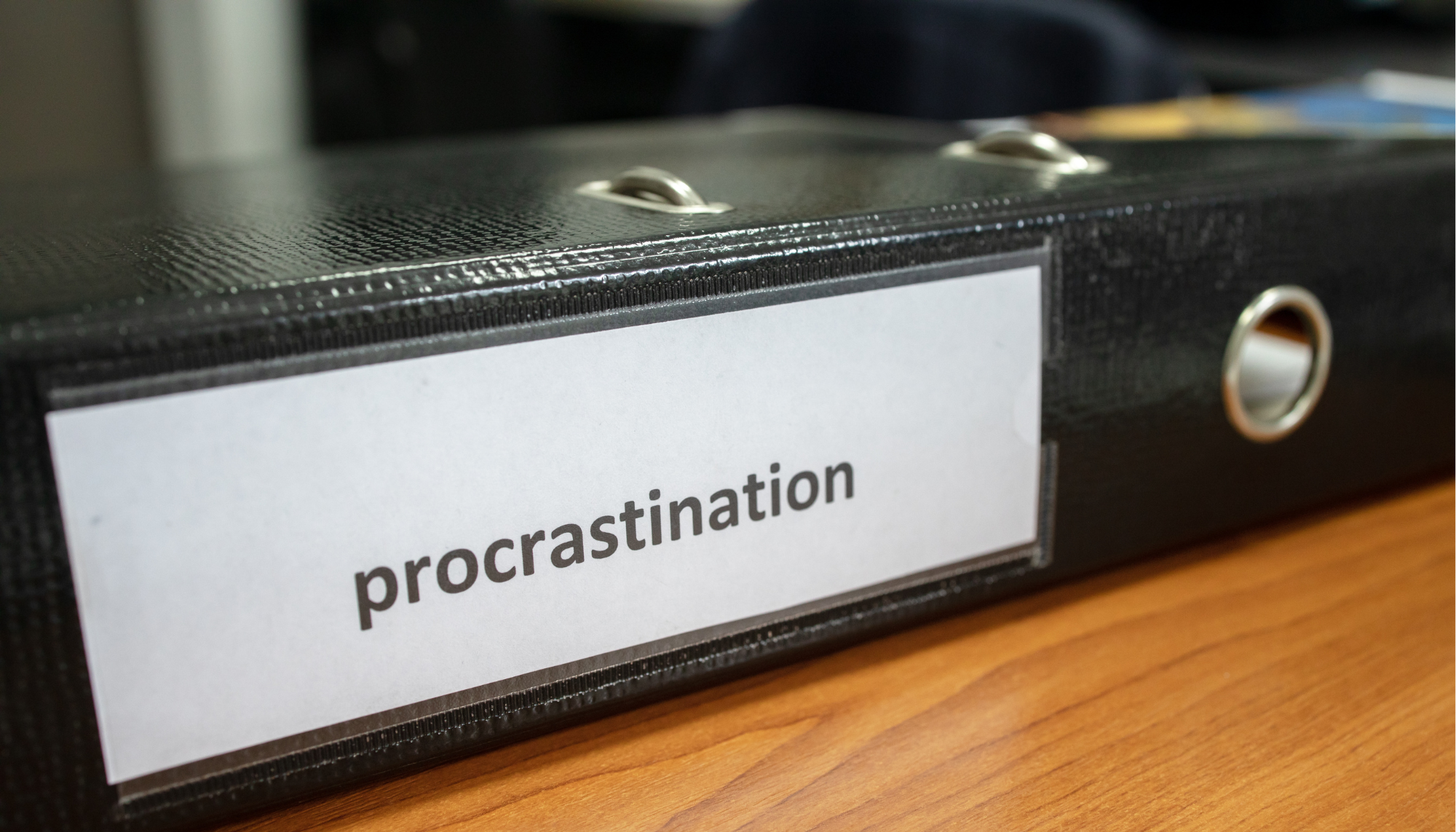
Procrastination is how people respond to overwhelming pressure. Discipline doesn't remove that pressure—it simply gives your team a reliable, structured way to move forward despite it. When you teach your team to rely on clear priorities and consistent habits rather than temporary moods, you create a resilient culture that can handle stress without stalling.