
Why 'mandatory fun' backfires
How to build a team culture people actually want to be part of.
Standing in a circle, being told to “bond” through an awkward icebreaker when you’d really rather just finish your work and go home.
Socializing is great for teams, but there is a thin line between a great afternoon and a total waste of time. That line is a choice. When "fun" becomes a job requirement, it stops being fun and starts being a chore.
Stop designing only for extroverts
Most "team building" is designed by extroverts, for extroverts. While one person loves a high-energy group activity, another might find it exhausting or even stressful.
True "team spirit" means letting people participate at their own comfort level. A quiet team member shouldn’t feel judged for staying on the sidelines. If they feel safe enough to opt-out, they’ll eventually feel safe enough to opt-in.
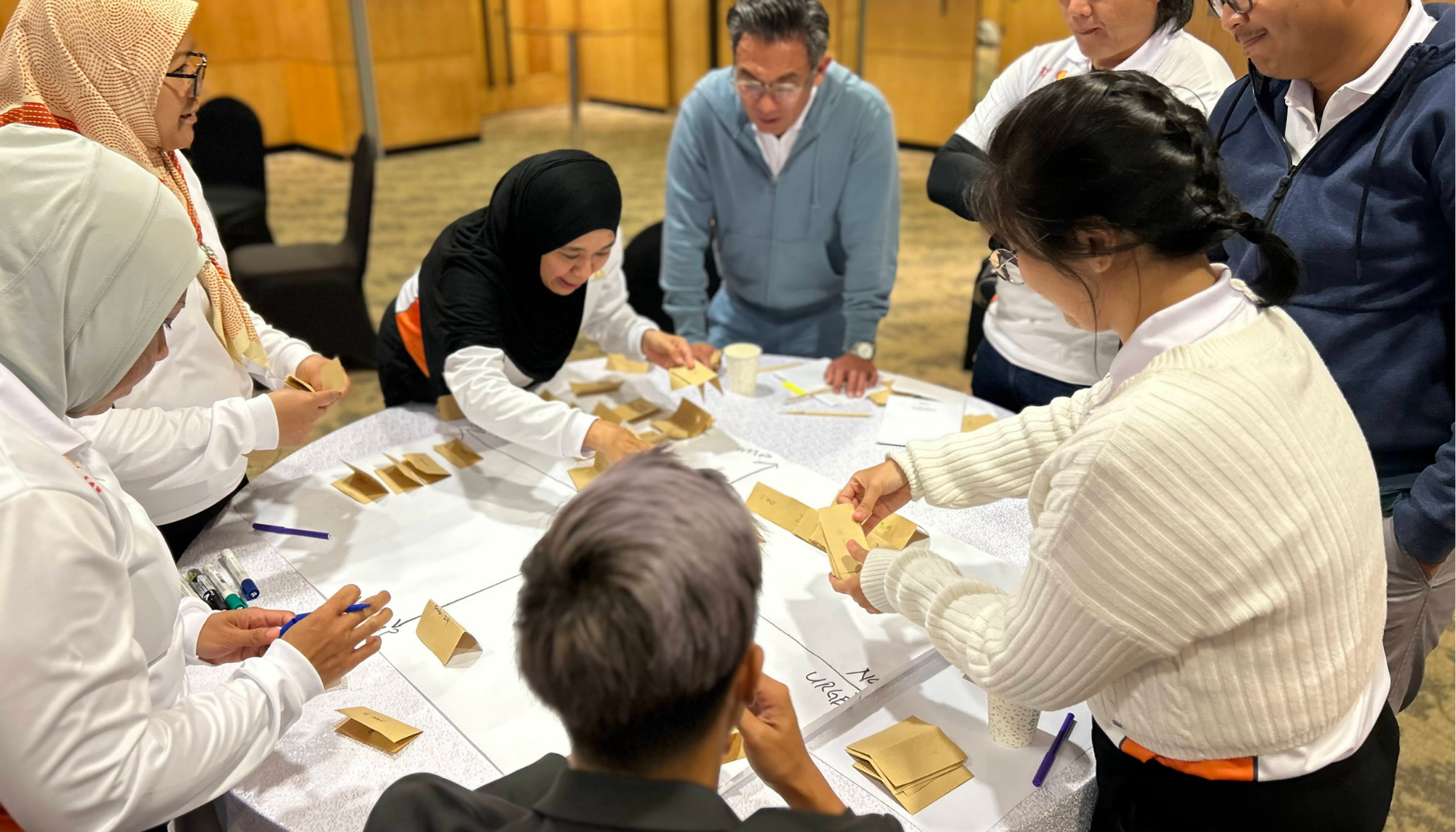
You can’t “fun” your way out of a toxic culture
A team-building event is like a highlighter: it makes whatever is already there stand out more.
An escape room won’t fix a breakdown in communication between departments.
A trust fall won’t fix a lack of trust in the office.
Sometimes managers book a whole day offsite to "fix morale" when the real issue was one toxic person everyone was afraid of.
Focus on "Micro-Connections" over Mega-Events
We often think team building has to be a grand gesture or a full-day retreat. But culture is actually built in the small, low-stakes moments. Sometimes a mixture of company lunches and more frequent, department-based get-togethers can do more in maintaining a positive culture.

How to make it actually work
If you want to bring people together, stop trying to plan a "party" and start trying to be intentional.
Ask, don’t tell: Find out what the team actually likes.
Make it relevant: Choose activities that actually mirror how you work together.
Talk about the "Why": Explain the goal of the event before it happens, and keep the conversation going after it’s over.