
Conflict Often Starts in Your Head: How Assumptions Fuel Workplace Conflict
Conflict at work doesn’t always begin with a heated argument or an obvious disagreement. More often, it starts quietly — in our thoughts.
A misunderstood email. A delayed reply. A short comment in a meeting.
Before we realise it, our minds fill in the gaps with assumptions. And those assumptions, left unchecked, can turn small misunderstandings into big problems.

What Are Assumptions?
Assumptions are things we believe to be true without verifying them. They’re mental shortcuts our brains use to make sense of incomplete information.
At work, this might sound like:
“They’re ignoring me on purpose.”
“They must be upset with me.”
“This project will fail because management doesn’t care.”
These thoughts feel convincing — but they’re not facts. Assumptions act like a filter through which we interpret behaviour, and often, it’s the wrong filter.
How Assumptions Distort Reality
When assumptions take over, our perception of situations changes.
Neutral actions start to feel aggressive.
We react emotionally before we fully understand what’s happening.
Communication becomes strained or defensive.
Over time, these reactions create tension. What could have been a simple clarification turns into frustration, resentment, or open conflict. Even small assumptions, repeated often enough, can escalate into serious workplace issues.
Every Conflict Has Two Sides
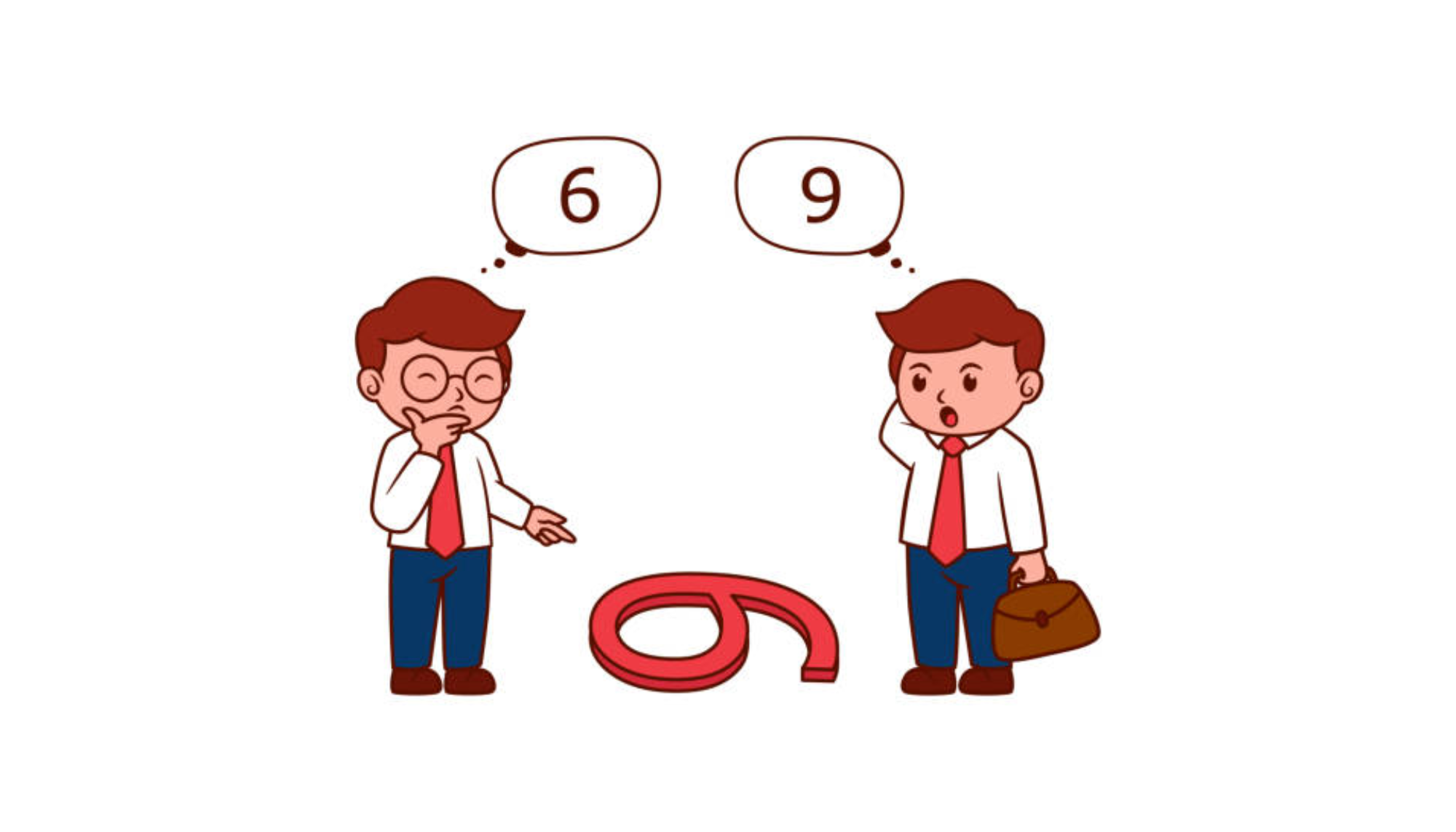
It’s important to remember that every conflict has more than one perspective.
Your interpretation of a situation is only one side of the story. The other person may be dealing with pressures, priorities, or information you’re not aware of. When we assume intent without understanding context, we limit our ability to resolve the issue effectively.
Good conflict management starts with recognising that our perspective isn’t the whole picture.
Shifting Away from the Worst-Case Assumption
One of the most effective ways to prevent unnecessary conflict is to consciously shift your mindset.
Instead of assuming the worst:
Pause before reacting. Give yourself a moment to recognise what you’re feeling.
Ask clarifying questions. Seek understanding rather than confirmation of your fears.
Assume positive intent. Most workplace conflicts aren’t personal — they’re situational.
These small changes can prevent minor misunderstandings from becoming major disputes.
A Practical Tool: Reflect, Clarify, Respond
To stop assumptions from starting conflict, use this simple framework:
Reflect - Notice the assumption forming in your mind. Ask yourself, “Do I know this for a fact, or am I filling in the blanks?”
Clarify - Seek clarity before reacting. Ask open, neutral questions to understand the other person’s perspective.
Respond - Communicate calmly and clearly, focusing on facts and solutions rather than emotions or blame.
This approach encourages intentional communication and reduces reactive responses.

Managing Conflict Starts in Your Mind
Conflict itself isn’t always a bad thing — it can lead to better understanding and stronger working relationships. However, unchecked assumptions turn misunderstandings into disputes.
Effective conflict management starts internally. By noticing assumptions, seeking clarity, and responding intentionally, individuals and teams can navigate disagreements more productively.

Turn Misunderstandings into Productive Conversations
Stop assumptions from escalating into conflict.
Join our Conflict Management Training and equip your team with practical strategies to communicate clearly, manage assumptions, and resolve conflicts with confidence.