What PHYSICAL: ASIA Teaches About Team Dynamics
If you’ve watched Physical: Asia, you’ll know it’s not just a display of strength, grit, and slow-motion fitness montages. Beneath all the intense challenges is something even more interesting: how teams behave under pressure.
Strip away the dramatic lighting and the giant obstacles, and you’ll find moments that feel surprisingly familiar — the confusion, the communication, the miscommunication, the last-minute strategizing, and the rallying morale boosts. Basically… every workplace project ever.
Here are five standout moments from Physical: Asia that reveal real lessons for building stronger, more collaborative teams at work.
1. Team Mongolia’s Ingenious Strategy: Leadership Can Come From Anywhere
One of the most unexpected highlights came from Team Mongolia when Enkh-Orghil suggested using the log as a counterweight to close the bridge. It wasn’t the obvious move — even the team hesitated — but they trusted the idea, took the risk, and ultimately succeeded.
What this teaches us: Leadership doesn’t require a title. Initiative and clarity can shift the entire direction of a team — especially when time is tight. In the workplace, the best ideas often come from those closest to the problem. The question isn’t “Who said it?” but “Does it move us forward?”
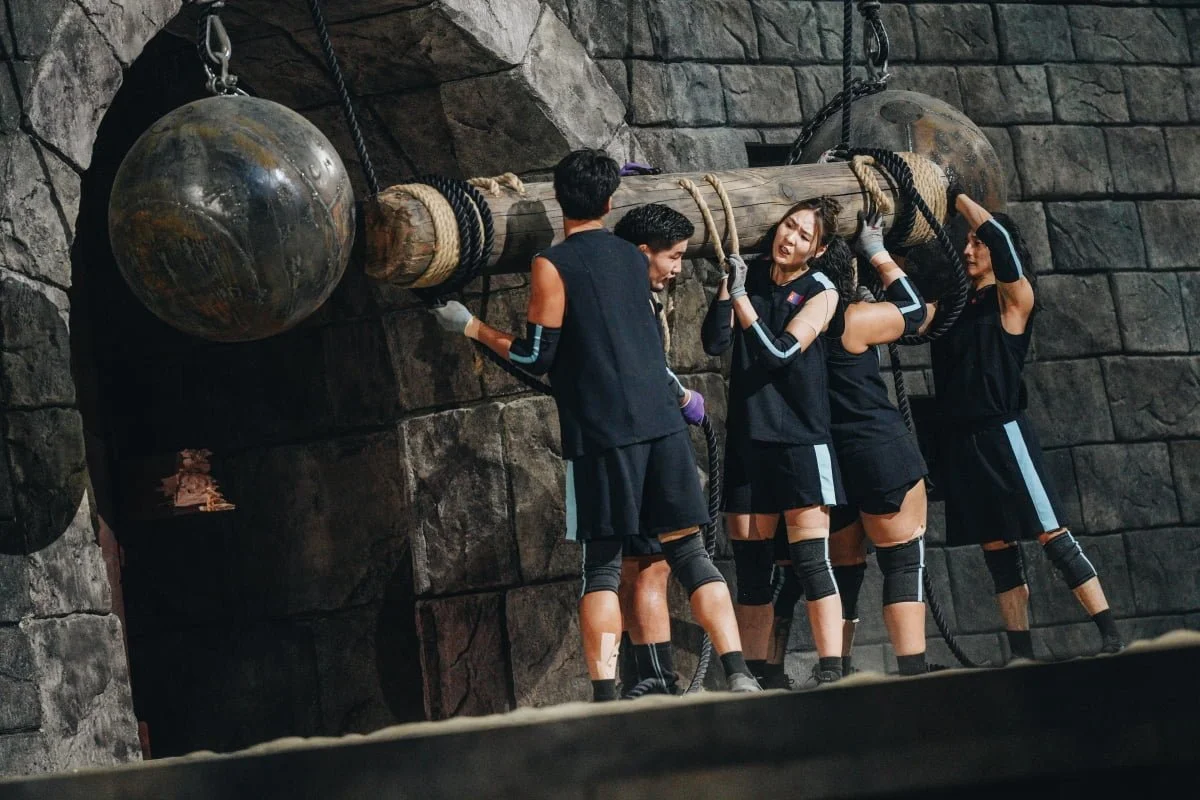
Photo credit: Netflix Korea
2. Team Australia’s Task Delegation: Play to Strengths, Not Egos
In the Team Representative challenge, Team Australia had a powerhouse in Eddie. He could have tried to do everything, but instead, the team talked through the tasks and delegated based on what made the most sense — not who wanted the spotlight.
What this teaches us: Great teams don’t default to whoever is the most capable or confident. They assign roles intentionally. Playing to individual strengths creates efficiency, reduces friction, and leads to smarter execution. In the office, that looks like knowing when to step up — and when to step back.
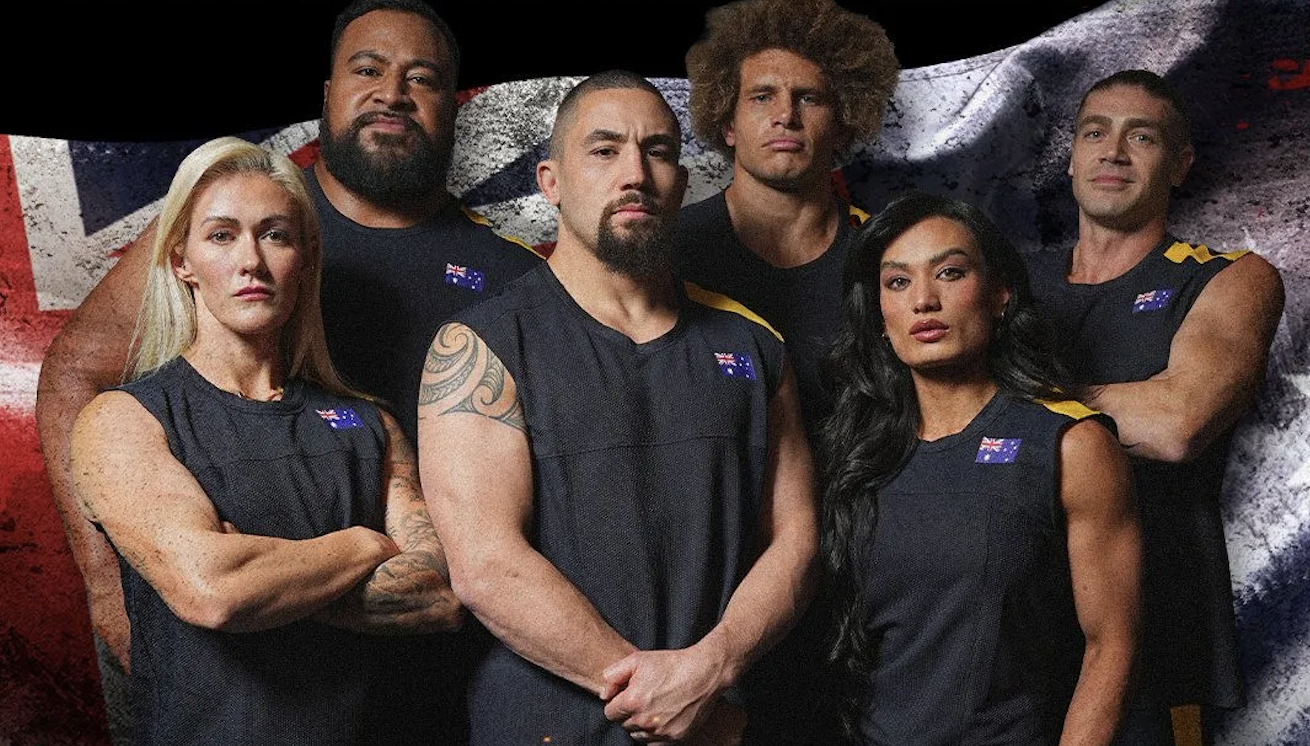
Photo credits: Netflix Korea
3. Team Korea’s Synergy in the Iron Ball Drag: Communication Creates Momentum
Dragging an iron ball across sand is already a nightmare. Doing it as a team requires absolute coordination. Team Korea found their rhythm by counting together, syncing their steps, and using communication to maintain momentum — a move that ultimately secured their win.
What this teaches us: Clear communication isn’t just about talking a lot; it’s about staying aligned. Even the strongest team will stall if everyone is pulling in different directions. At work, consistent check-ins, shared language, and real-time feedback prevent wasted effort and keep projects moving.

Photo credits: Netflix Korea
4. Team Indonesia’s Resilience: Turning Emotion Into Alignment
During the Ball Possession match, the team faced a rough moment when Glenn was injured. Fina’s competitive fire flared, but the team stepped in — not to tone her down, but to channel her energy in a way that helped the entire group move forward.
What this teaches us: Tension is normal. Emotion is normal. What matters is how a team responds to it. When people feel supported rather than shut down, their drive becomes a strength. Resilient teams don’t avoid conflict; they navigate it together.
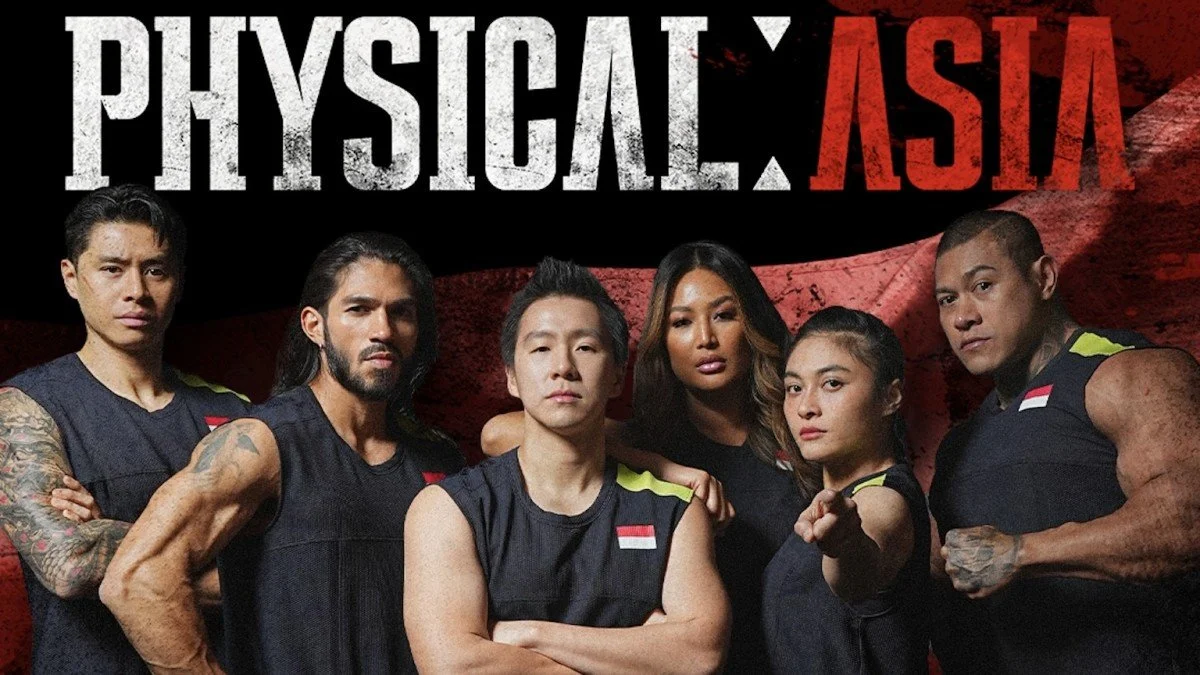
Photo credits: Netflix Korea
5. Sideline Support: The Power of Encouragement
Across all the challenges, one thing remained constant: teams cheered loudly and passionately from the sidelines. Even in the toughest moments, that energy boosted morale and helped competitors push a little harder.
What this teaches us: Support builds culture. Encouragement isn’t fluff — it’s fuel. Whether it’s a quick check-in, a “you’ve got this,” or celebrating small wins, emotional support strengthens teamwork and performance.
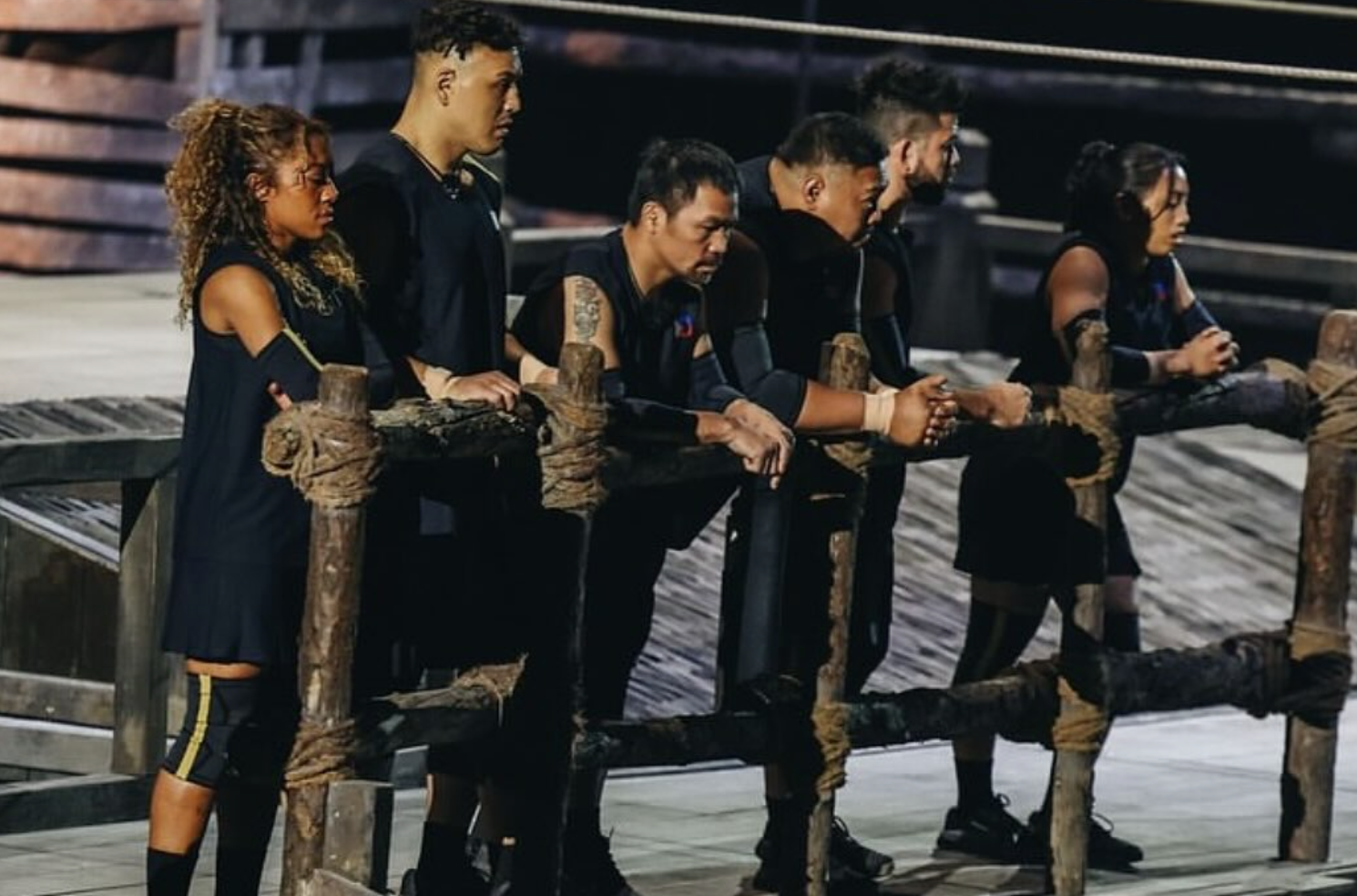
Photo credits: Netflix Korea
The Real Takeaway: Strong Teams Aren’t Just Skilled — They’re Connected
The most successful teams, whether in a sandpit or a boardroom, do five things consistently:
Understand each other
Communicate clearly
Leverage individual strengths
Adapt under pressure
Support each other
Teams don’t magically “work together.” They build trust. They learn each other’s rhythms. They align around shared goals.
That’s what creates success — in competitions, in companies, and everywhere in between.
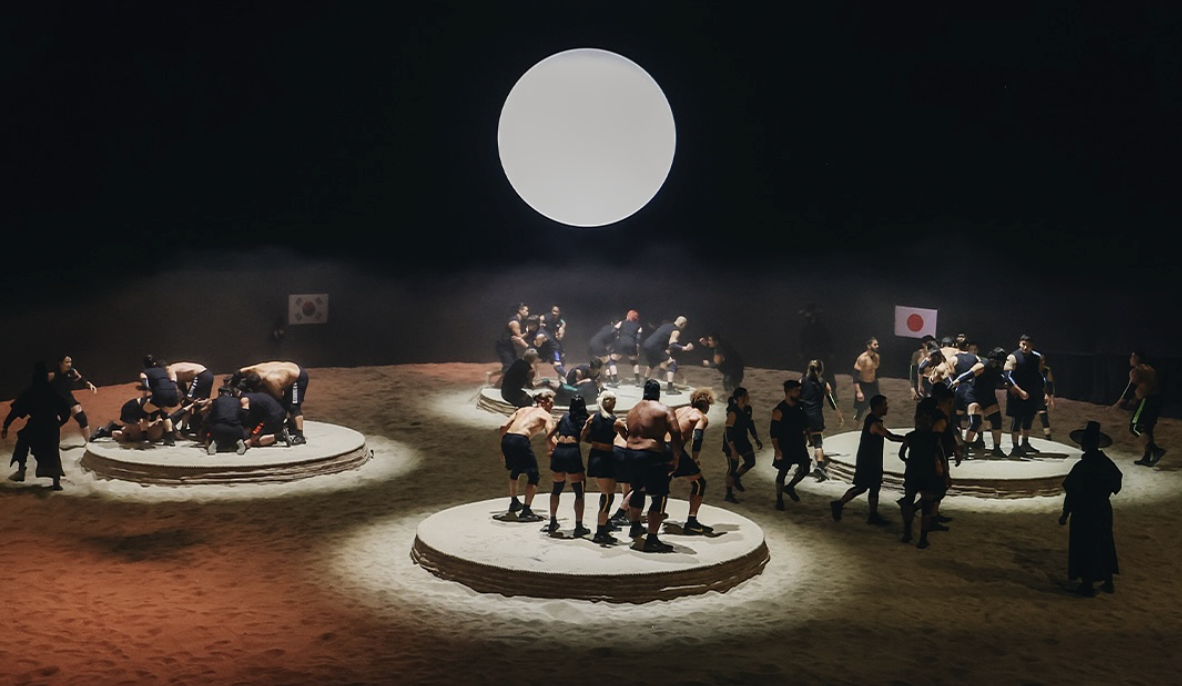
Photo credits: Netflix Korea
Ready to Build Your Own Dream Team?
Our Team Dynamics and Team-Building programs help organisations strengthen communication, collaboration, and trust — so your team can move as one, even in high-pressure moments.