
The Wicked Guide to Handling Workplace Drama (Productively)
Conflict is a natural part of any workplace. Different personalities, communication styles, pressures, and priorities create moments where perspectives clash — sometimes loudly, sometimes quietly.
But conflict isn’t inherently negative. In fact, when handled well, it becomes a catalyst for stronger collaboration, deeper trust, and better results.
To explore this idea, let’s take an unexpected but meaningful reference point: Wicked — the musical and film that reimagines the origin story of Elphaba and Glinda. Beyond the magic and music, Wicked offers valuable lessons about conflict, misunderstanding, and human behaviour that translate surprisingly well into the workplace.
Here’s what teams and leaders can learn.
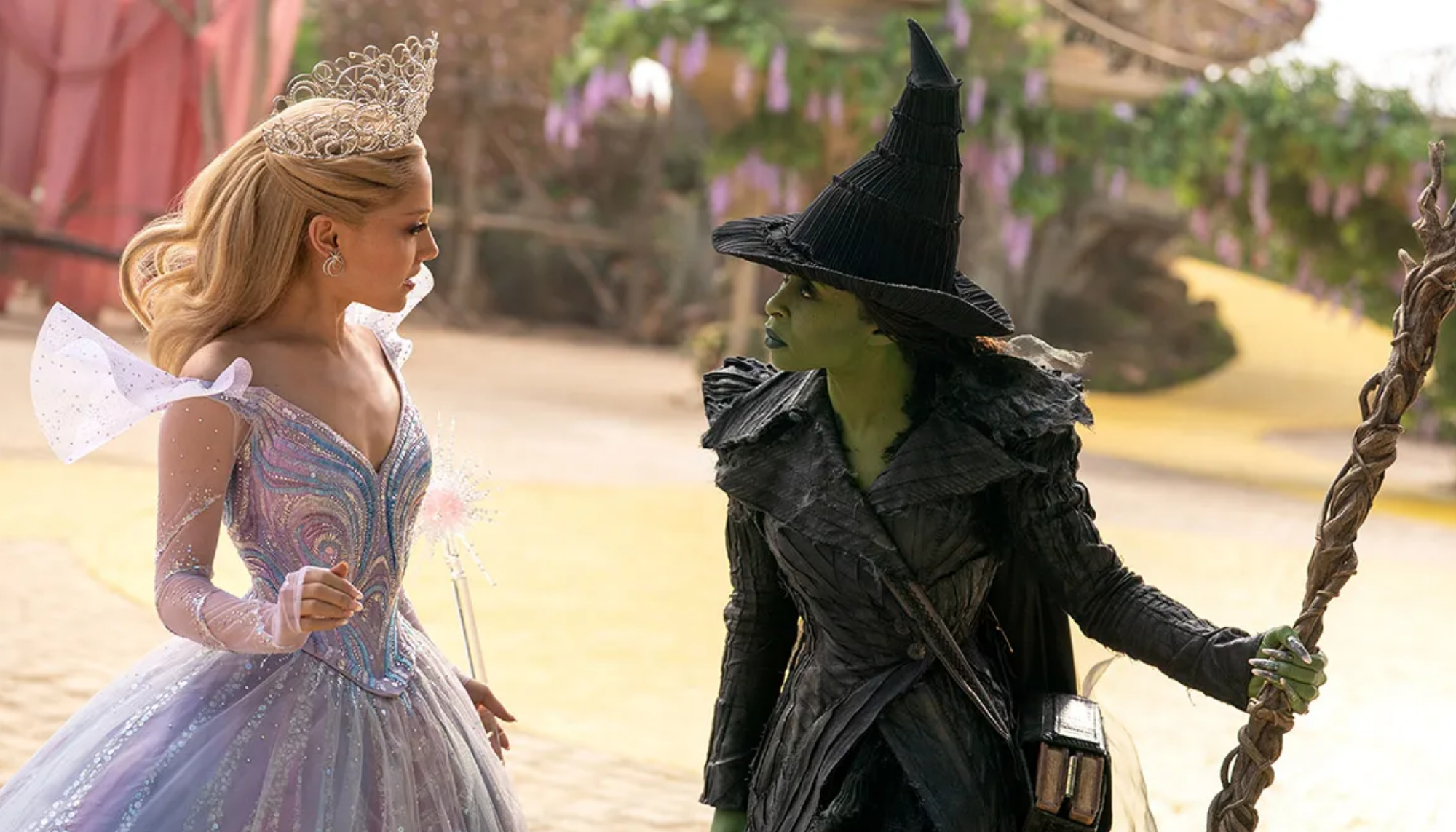
Photo credits to Universal Pictures
1. No One Is Fully “Good” or “Wicked”
In Wicked, Elphaba and Glinda appear to be complete opposites — morally, socially, and in temperament. But as the story progresses, we learn that both are shaped by their experiences, upbringing, and internal motivations.
In the workplace, it’s easy to label people as “difficult,” “uncooperative,” or “the problem.” But most behaviour is driven by personal pressures, unseen challenges, or past experiences.
Shifting from judgement to curiosity creates room for empathy — the foundation of effective conflict management.
2. Assumptions Create Drama Faster Than Any Spell
Many conflicts in Wicked escalate because characters act on assumptions, misinformation, or incomplete stories. The Wizard’s manipulation of public perception is a perfect example of how unchecked narratives fuel division.
The same dynamic happens at work:
“They ignored my idea on purpose.”
“They don’t like my approach.”
“They’re making this harder than it needs to be.”
When assumptions replace communication, tension grows unnecessarily.
A simple process — verify → clarify → respond — prevents misunderstandings from becoming full-blown disputes.
3. Honest Conversations Are the Real Breakthrough Moments
Elphaba and Glinda’s turning point comes when they finally sit down and speak openly about their frustrations, fears, and misunderstandings. Their relationship improves not because the conflict disappears, but because they choose dialogue over avoidance.
In the workplace, avoiding difficult conversations usually prolongs or deepens the issue. Productive conflict management requires:
Sharing perspectives clearly
Expressing concerns without blame
Asking questions to understand, not to win
Listening with the intention to find common ground
Open communication is the antidote to workplace drama.
4. Conflicting Values, Not Personalities, Are Often the Real Cause
Elphaba is driven by justice and integrity.
Glinda is driven by approval and harmony.
Neither is wrong — they simply value different things.
Similarly, many workplace conflicts stem from value-based differences, such as:
Speed vs. thoroughness
Innovation vs. risk management
Transparency vs. diplomacy
Autonomy vs. collaboration
Identifying the underlying values behind people’s behaviour helps teams understand root causes and collaborate more effectively.
5. Accountability Strengthens Trust More Than Perfection
Throughout Wicked, characters grow — and repair relationships — when they take responsibility for their choices. Accountability shifts the focus from blame to solutions.
In the workplace, accountability looks like:
Acknowledging your role in the conflict
Apologising when necessary
Clarifying expectations
Following through with behaviour changes
Teams build psychological safety when accountability is practiced consistently and respectfully.
6. Collaboration Is Where Real Progress Happens
Elphaba and Glinda achieve their greatest impact not when they compete, but when they collaborate. Their differences become complementary strengths.
Likewise, teams thrive when they:
Share goals
Co-create solutions
Celebrate collective wins
View conflict as information, not a threat
Healthy conflict — managed with clarity and respect — often leads to better decisions and stronger team alignment.

Photo credits to Universal Pictures
Conflict Isn’t the Problem. Avoiding It Is.
One of the core themes in Wicked is transformation — how people evolve when they face difficult truths, communicate honestly, and choose understanding over judgement.
Workplace conflict operates the same way.
When handled proactively and empathetically, conflict becomes:
A driver of innovation
A channel for honest feedback
A path to stronger working relationships
A foundation for high-performing teams
Teams don’t need to eliminate conflict — they need to learn to navigate it productively.
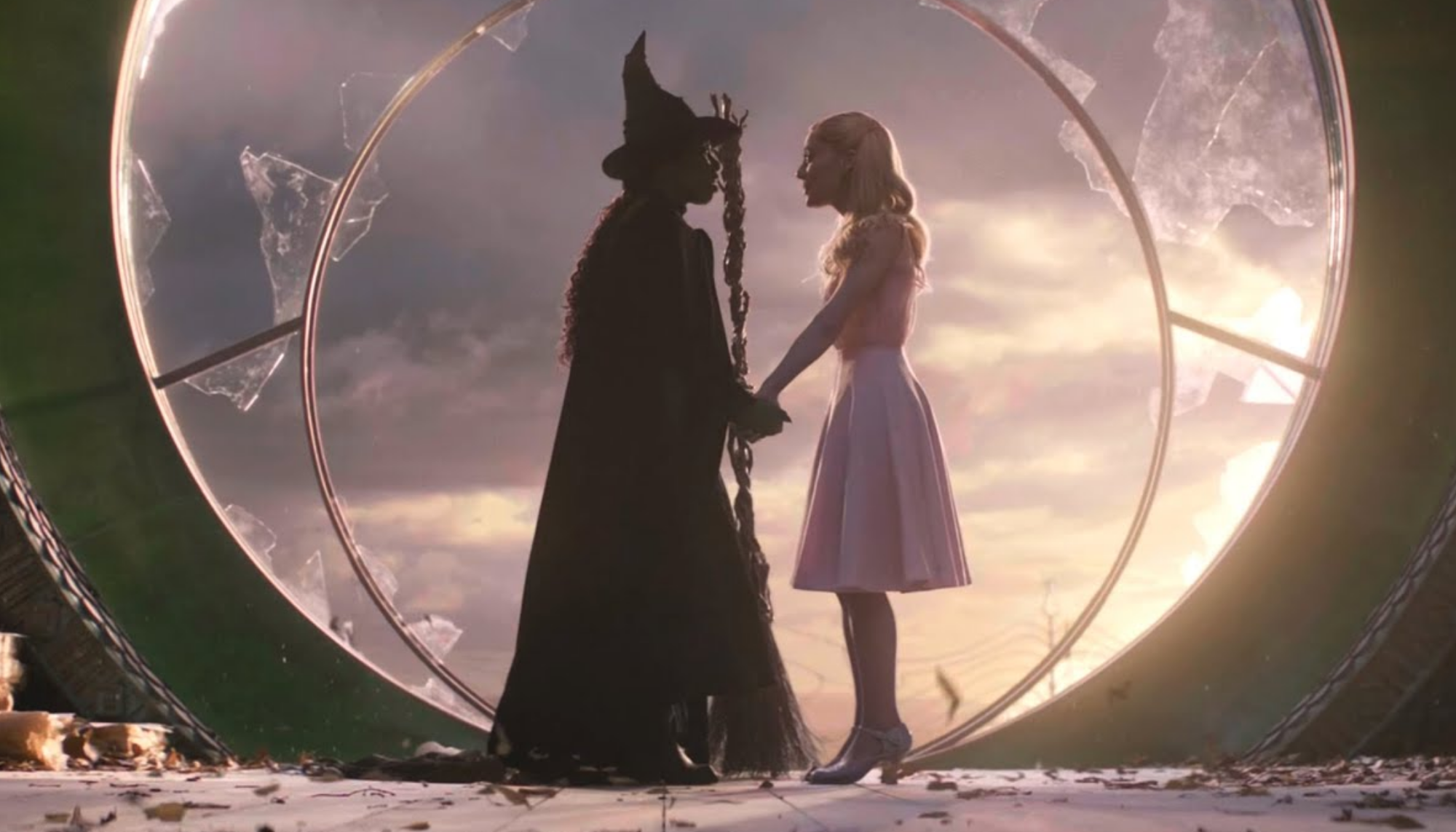
Photo credits to Universal Pictures
Want Your Team to Handle Conflict More Effectively?
If you’re ready to strengthen your team’s collaboration and communication, reach out to us to learn about our Conflict Management training.